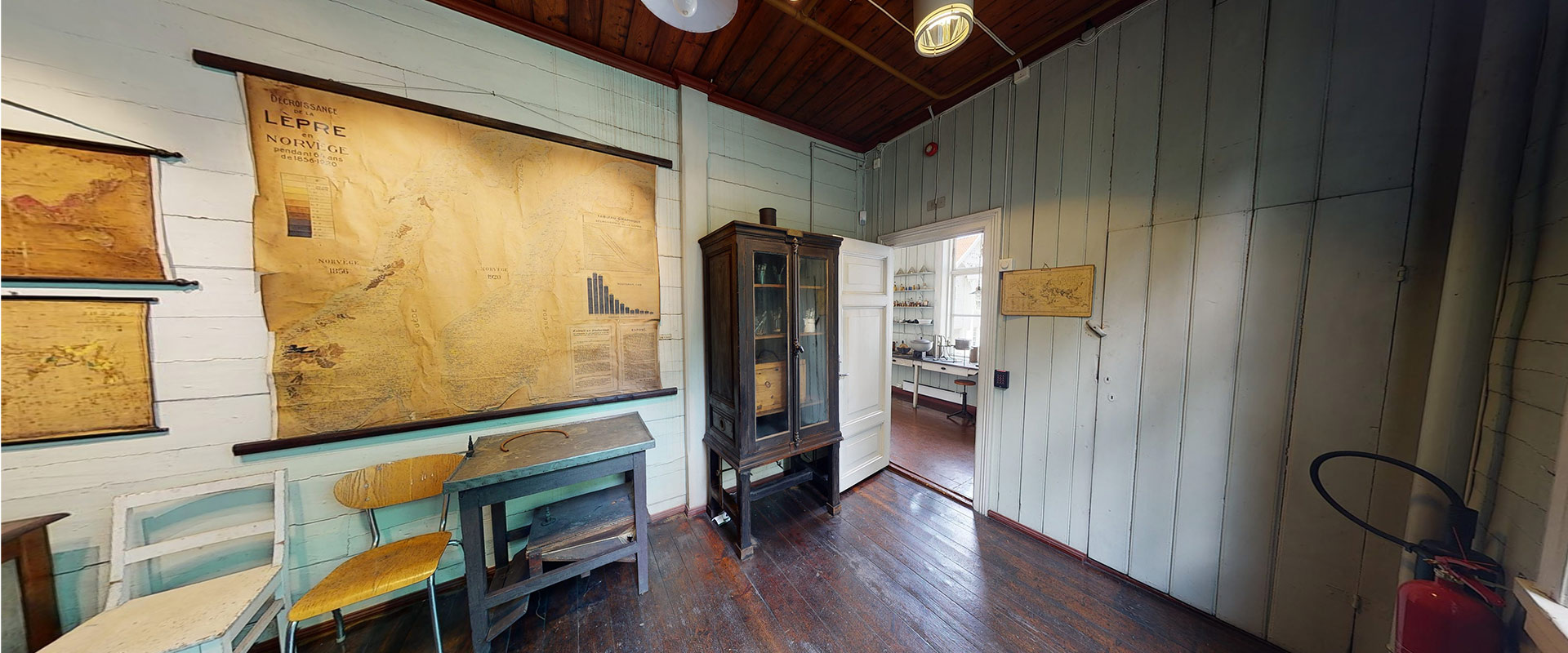
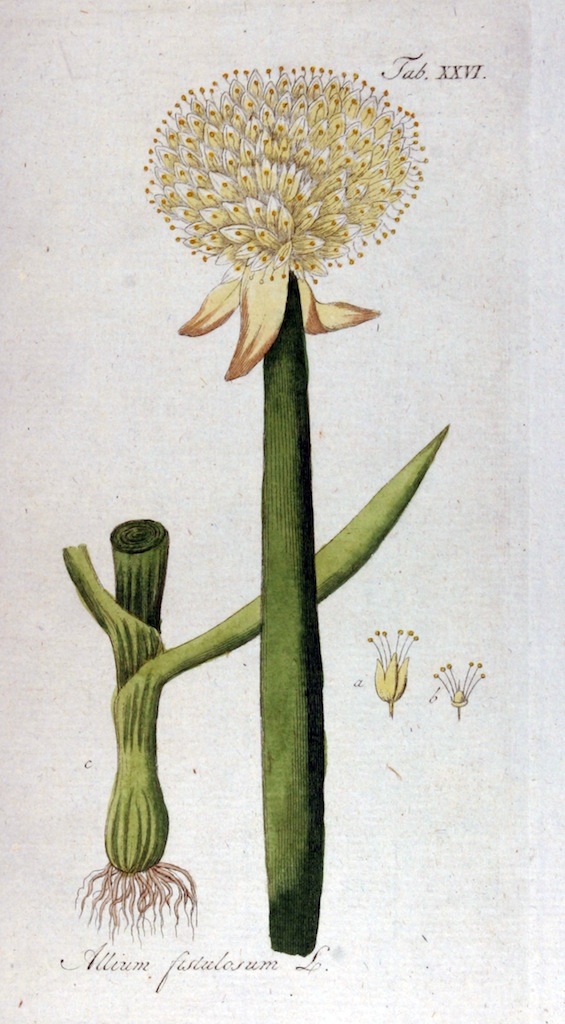
Allium fistulosum
English: Welsh onion, green onion, Japanese bunching onion, spring onion, escallion, salad onion
German: Winterzwiebel, Frühlings- oder Frühzwiebel, Lauchzwiebel, Jakobslauch, Röhrenlauch, Hohllauch
French: ciboule, cive, oignon d´Espagne, chiboule, ail fistuleux
Norwegian: pipeløk, vinterløk, svenskeløk, japansk purre
Alliaceae, perennial.
Used parts: leaves, flowers, root, onion juice.
Qualities and use according to traditions
It inhibits bacteria and fungi, purifies unclean wounds and lowers fever. It stimulates perspiration, urine and milk production, expels visceral parasites, resolves phlegm, works antispasmodic and stimulates the activities of the stomach.
Tea of dried root should be gently soothing, especially suitable for troubled children. The root was also used against bloated stomach.
Crushed Welsh onion was used as an ointment or as a poultice to draw pus from sores, boils and abscesses.
Old Swedish quote about Welsh onion: A tampon with onion juice in the nose cleans your head and pulls out the raw, phlegmatic liquids.
In earlier times it was quite common to plant Welsh onion on the turf roofs, not only to prevent livestock from helping themselves, but also as a fire protection, like houseleek (Sempervivum tectorum) and roseroot (rhodiola rosea).