Centaurea montana
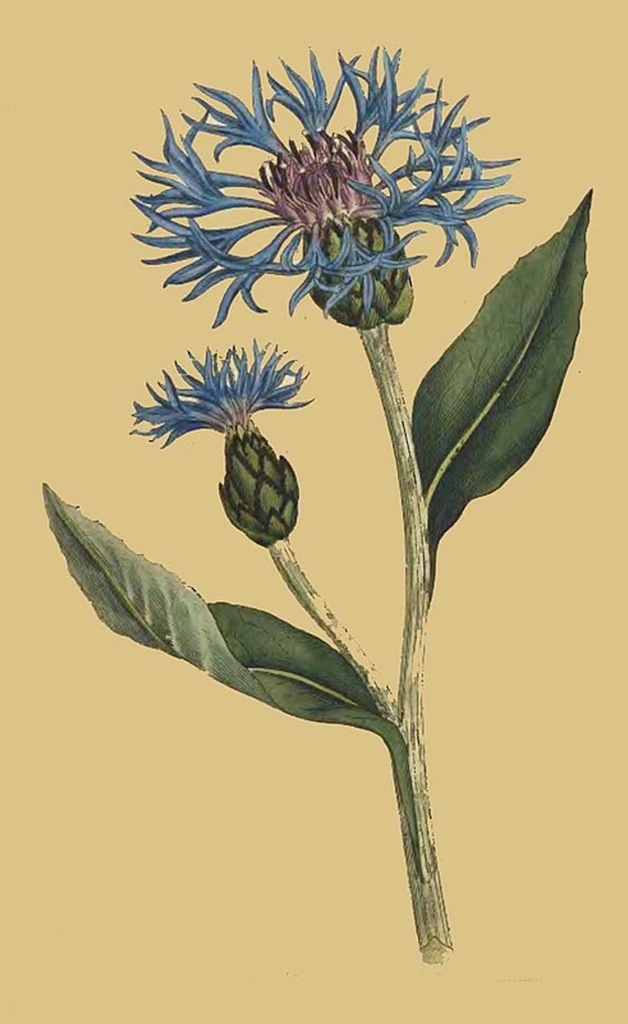
English: perennial cornflower, mountain cornflower, bachelor´s button, mountain bluet
German: Berg-Flockenblume
French: centaurée des montagnes, bleuet vivace, bleuet des montagnes, jacée des montagnes
Norwegian: honningknoppurt
Asteraceae, perennial.
Used parts: flower, seeds, leaves.
Qualities and use according to tradition
Cornflower and perennial cornflower are considered to have substantially equivalent properties. Extraction of dried flowers are said to be astringent, cough relieving, a mild diuretic and a stimulator of menstruation. Widely used in cases of dropsy, constipation and bleeding gums.
Decoctions of leaves could relieve rheumatic pains. Decoction of the blue flower petals could be used as a rinse for tired, blue eyes.
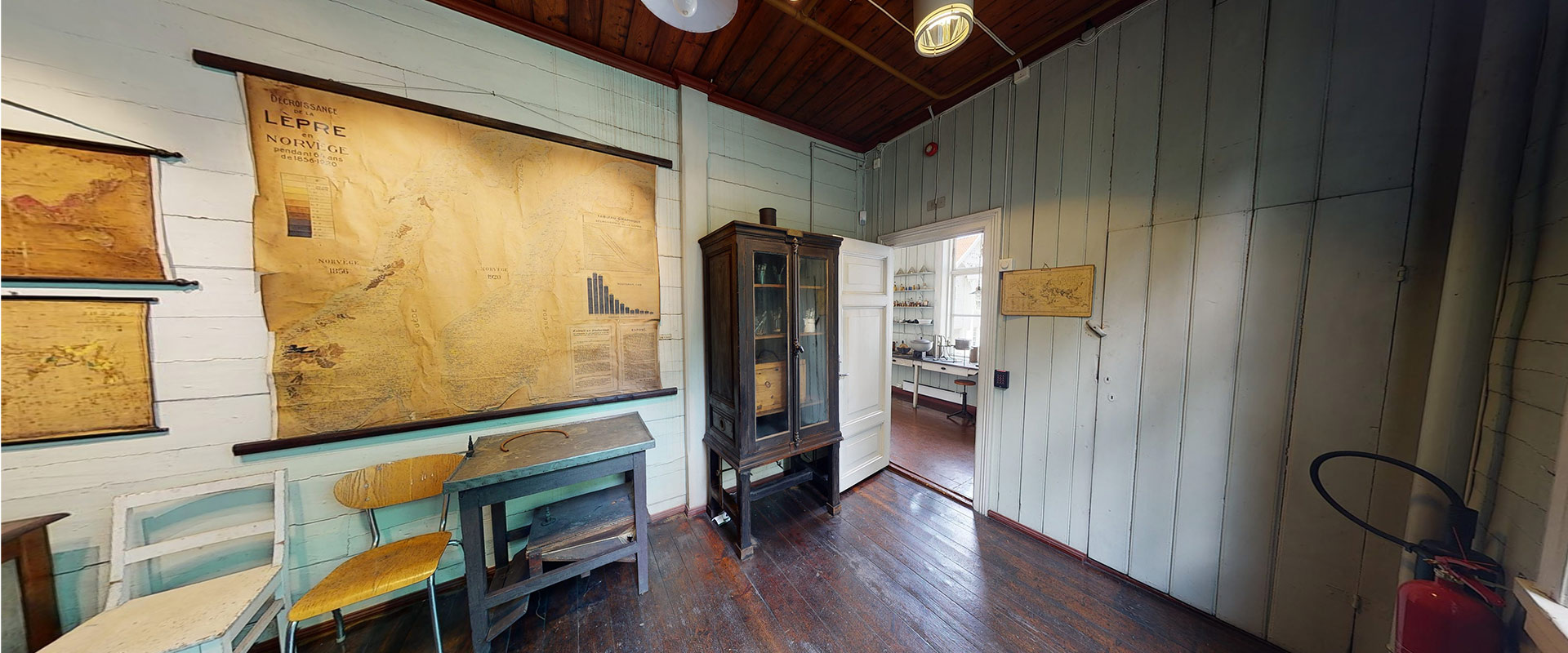
Leaves and flowers were used in ointments to treat wounds and skin infections. Chief physician Danielssen mentions Centaurea in his book from 1847 in connection with the treatment of leprosy.