Malva sylvestris
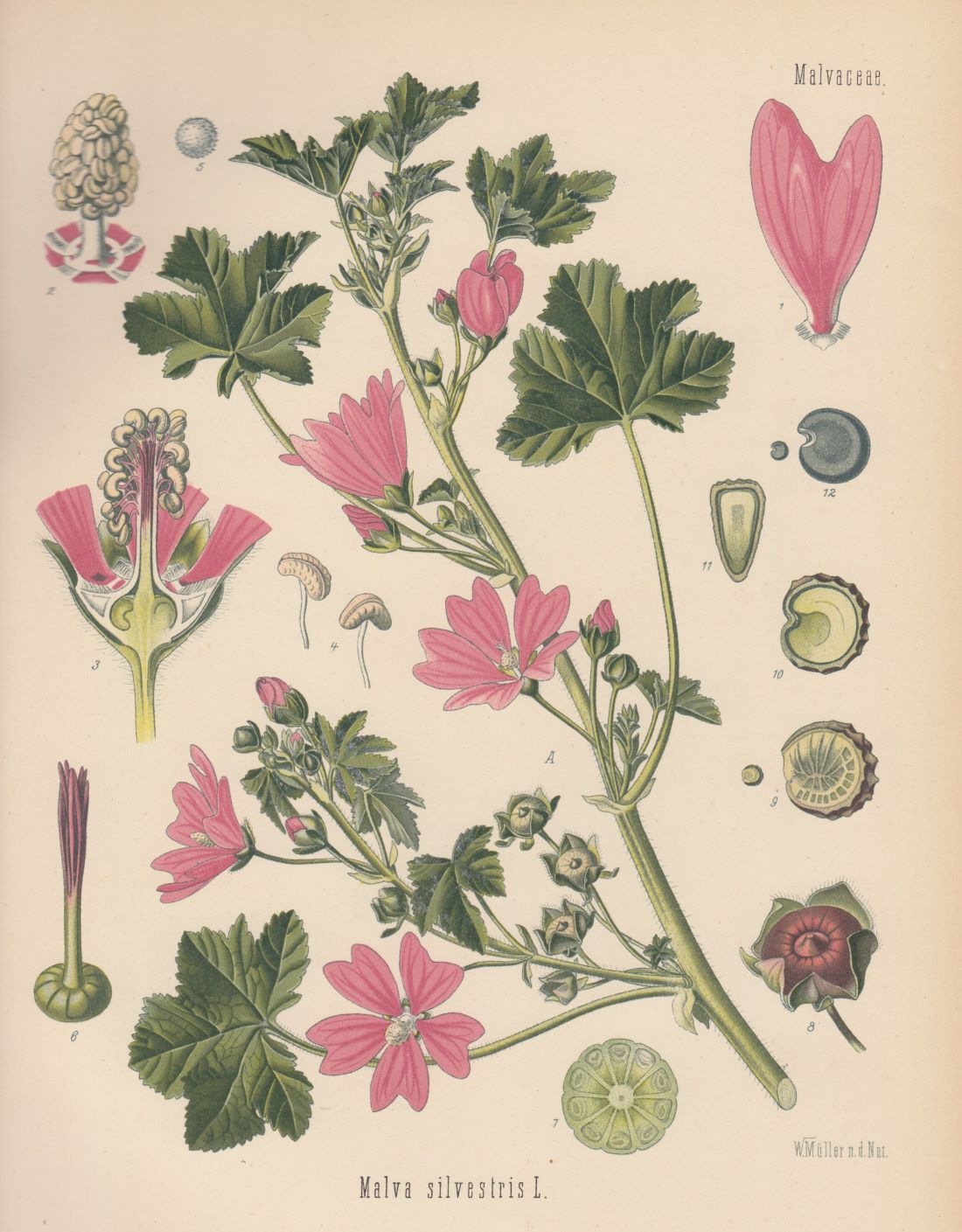
English: mallow, common mallow, mars mallow, cheese-cake
German: Malve, Wilde Malve, Gartenpappel
French: mauve
Norwegian: apotekarkattost, apotekerkattost, kattost
Malvaceae, biennial or perennial.
Old monastery plant.
Used parts: leaves, flowers, seeds and whole herb.
Qualities and use according to tradition
Mucosal protective, softening and mildly astringent, bactericidal and inhibits inflammations, suppresses the cough, loosens mucus and softens stool, stimulates digestion and the production of milk, calms. The mallow and eucalyptus has been considered a very good combination by coughing and respiratory problems.
It has been used externally as a poultice on wounds, pimples and boils, rashes and insect bites, and on swellings, and to draw out poisons and other horrors, as written somewhere.
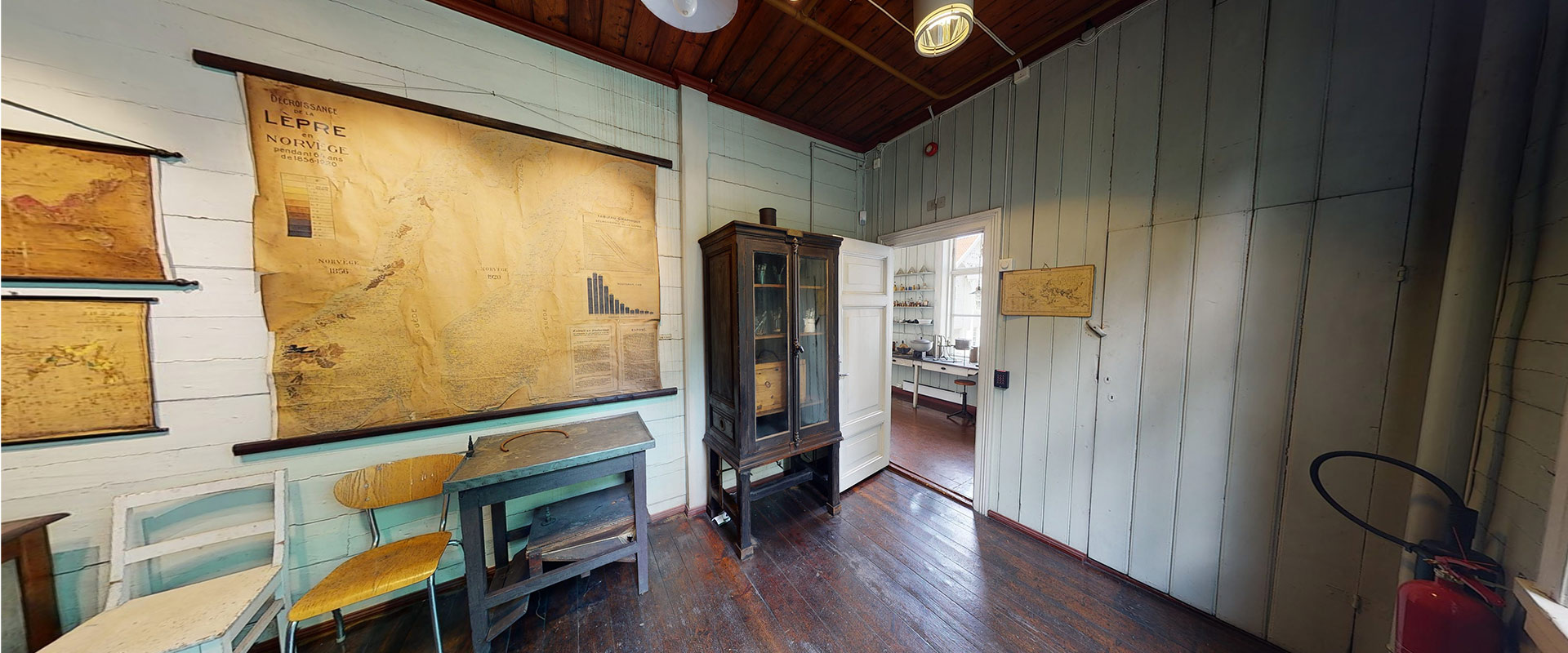
In his book from 1847, Chief physician Danielssen mentions Malva in connection with leprosy treatment as an emollient and laxative agent.