Qualities and use according to tradition
Eases irritated mucous surfaces and sore skin, relieves cough, stimulates secretion of phlegm, sweat, urine and faeces, heals and calms ulcers in mouth and stomach.
Poultice of crushed root or leaves was used upon wounds, burns, boils and rash. An old advice: soaked in urine against boils of the head.
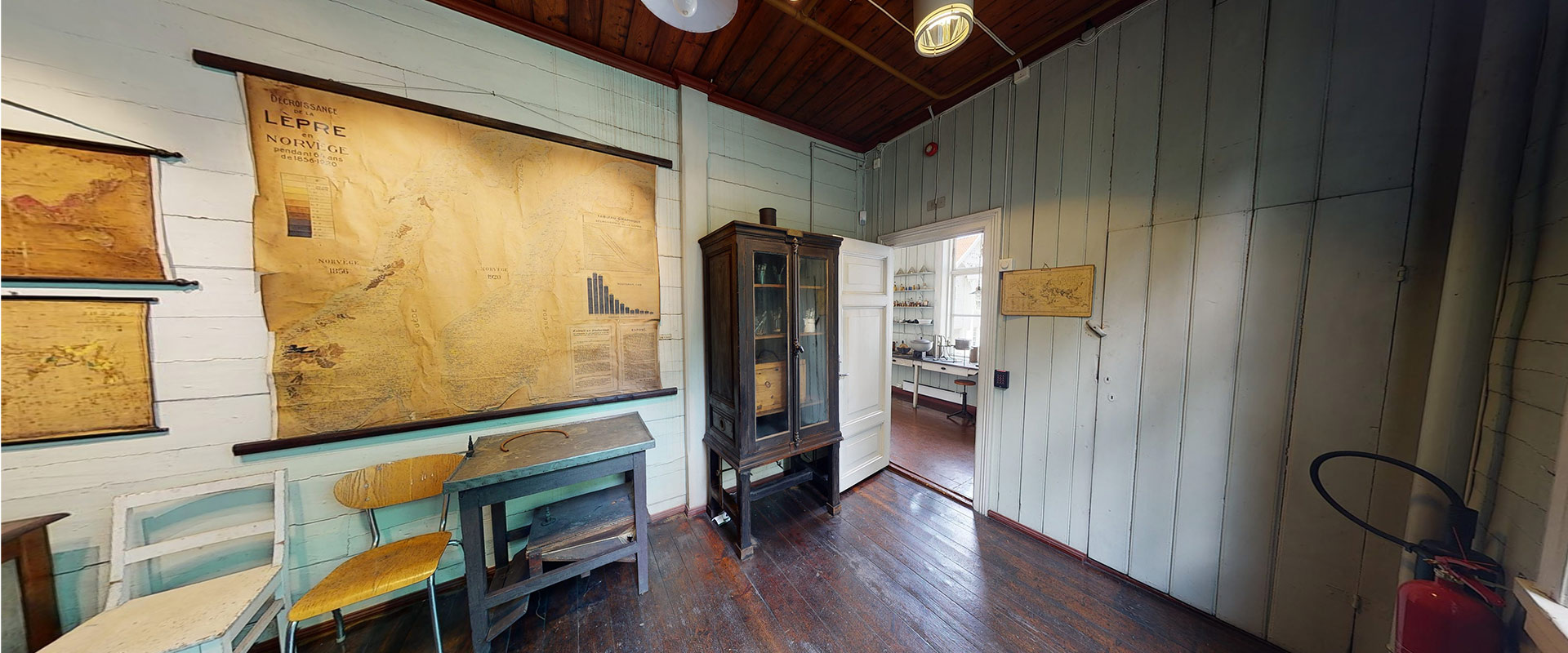
Chief physician Danielssen mentions in his book from 1847 the use of mild ointments as Unguentum de Althea in connection with treatment of leprosy.
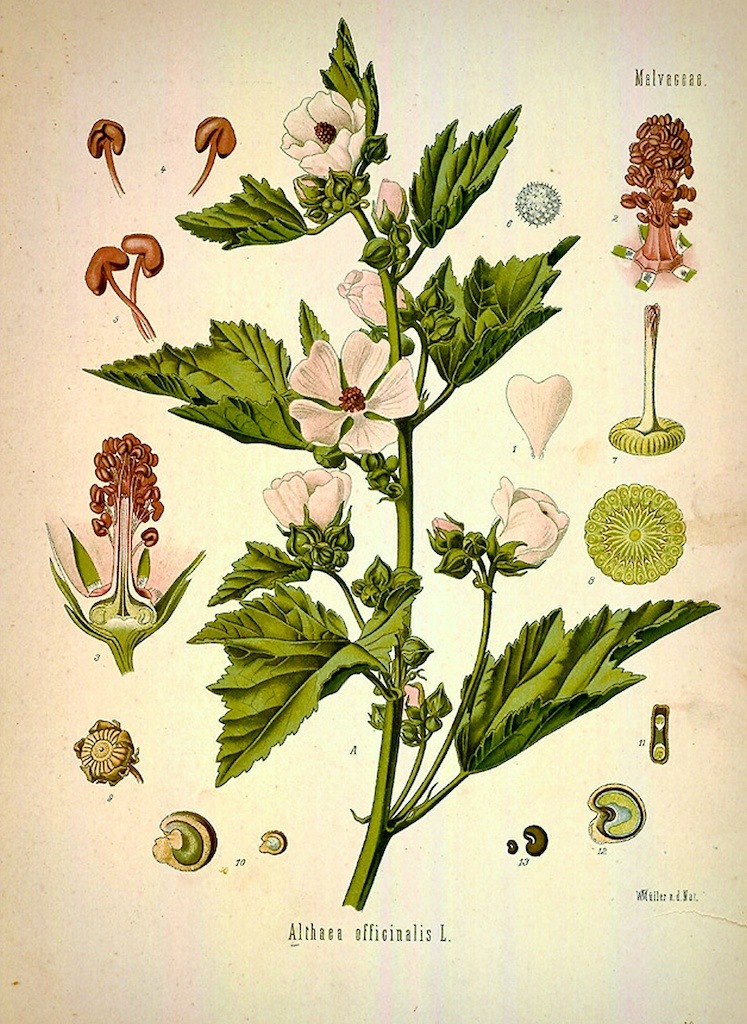
In order not to ruin the rich amount of mucilage in althea, only cold extractions can be made from this plant. When heated they are spoiled.