Meum athamanticum
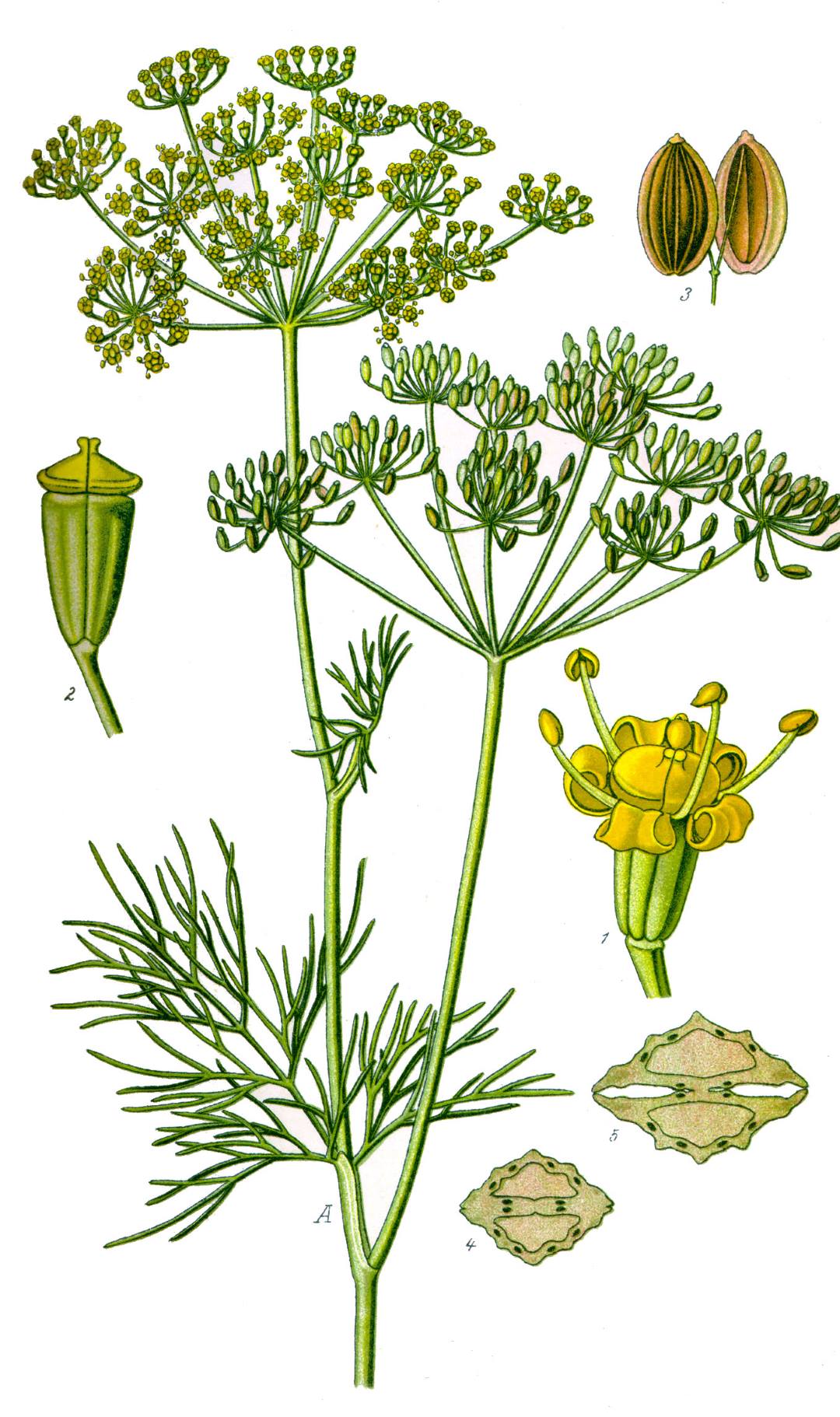
English: spignel, baldmoney, bearwort, meu
German: Bärwurz, Bärenfenchel, Bärkümmel, Dillblattwurz
French: baudremoine, cistre, fenouil des Alpes, meum
Norwegian: bjørnerot, bjønnrot, karriplante
Apiaceae, perennial.
Used parts: leaves, flowers, root.
Qualities and use according to tradition
Appetite stimulant and digestive, should help against strong winds, widely used to stimulate desire and increase potency. It was also used to treat cough and as a cure for snakebites.
Nicholas Culpeper (1616-1654): powdered root mixed with sugar, wine, beer or water, taken morning and evening, many days in a row, eases menstrual and vaginal discharge after delivery and facilitates the birth and afterbirth.
It has often been considered as the Norwegians´ oldest spice and is one of the old, slightly “magic” herbs. Tea made of dry, fresh herb, drunk with schnapps for three weeks works against impotence. Or Tincture made of root in schnapps, gives a man the bear´s strength and also its potency.
This herb has long traditions as a spice for liquors, without any side effects necessarily wanted or even thought of.
The root has a sharp, spicy aroma that has saved the taste of many a soup over the years. Fresh, cut leaf has been used as a green, tasty sprinkle on food.