The herb garden at the Leprosy Museum

The herb garden. Photo: Atle Vedaa Toskedal.

Photo: Atle Vedaa Toskedal

The herb garden as we see it today was established by a partnership between Det Nyttige Selskab (The society for the encouragement of public utility) and Bergen kommunes fritidsavdeling (The leisure department of the municipality of Bergen), in 1993. For some time the garden was taken care of by Hageselskapet Hordaland (The Hordaland department of The Norwegian Horticultural Society), but in recent years it has been maintained by a team of keen volunteers.

Sources does not tell us if there ever was an herb garden at the hospital, however the patients at St. Jørgen in the Middle Ages can have received both vegetables and herbs from Nonneseter convent, which was close by.

Bergen in the 1740s. University of Bergen Library.

Herbs at the hospital

The sources do not reveal whether a separate herb garden has existed at the hospital. Maybe they were given herbs from the Nonneseter convent, and later from the pharmacies. 

Read more

Bloodletting, 14th century. British Library, London.

Understanding of diseases 

In early history the causes of diseases were often unknown, and treatment was mostly to try and manage the visible signs of the disease.

Read more

Folio 90 from the Naples Dioscurides, a 7th century manuscript of Dioscurides De Materia Medica. Biblioteca Nazionale, Naples.

Herbs and folk medicine

In early modern times the belief that nature had healing powers was strong, and there were attempts to systemize the relation between diseases and plants.

Read more

From "Traité de la spédalskhed, ou éléphantiasis des grecs". National Library.

Leprosy and herbal medicine

In the book “On Leprosy” former methods of treatment were described, among others a combination of diet, warm baths, bloodletting and multiple herbs in different stages.
Read more

The plants in the herb garden

The assortment of plants grown in the herb garden is mainly based on Doctor Daniel Cornelius Danielssen’s description of historical treatment methods in the book ‘Om Spedalskhed’ (On Leprosy) from 1847. Several of these herbs may also have been used in Norway in olden times. Some of the herbs grow in the wild, while others have been imported and cultivated at monasteries and convents, and later in apothecary gardens.

Here you’ll find a short description of some of the plants in the garden, as well as their perceived abilities. You can also read about their traditional use as medicinal plants.

Pharmacist, cand. pharm. Bjarne Thune has written about the herbs. He is also responsible for the English translation, with the kind supervision of cand. philol. Gunnar A. A. Thune.

NB! Please notice that the information here presented is intended to be a description of the individual plant’s traditional uses and properties. This document should not be relied upon for health issues. Always consult your doctor or pharmacist, even when taking non-prescription medicine and natural remedies.

Some of the plants found in the garden are poisonous, even when touched. You have no opportunity to taste, pick or remove plants from the herb garden.


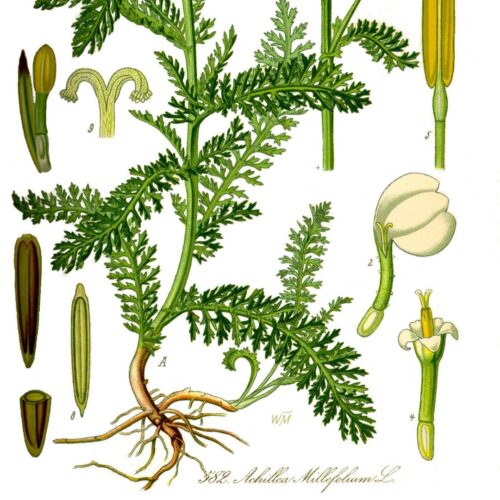
Achillea millefolium

Read more

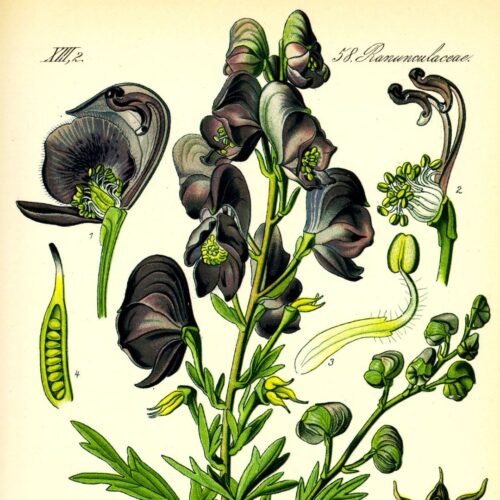
Aconitum napellus

Read more

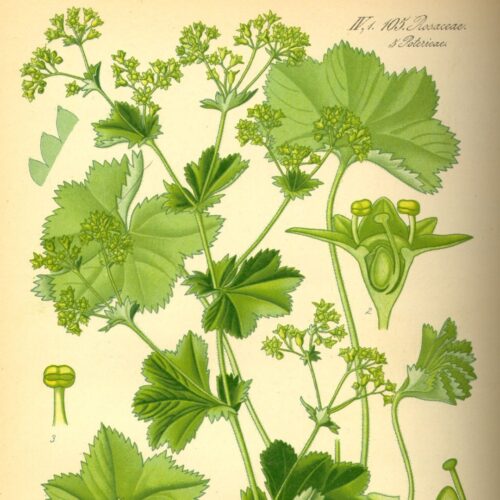
Alchemilla vulgaris

Read more

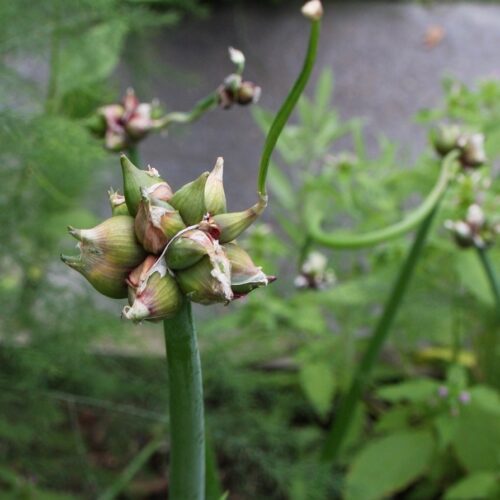
Allium cepa var. viviparum

Read more

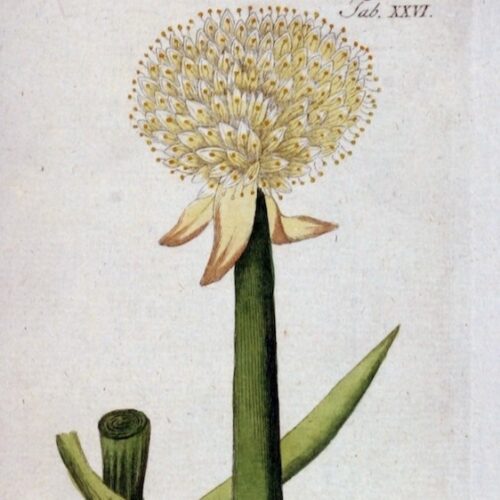
Allium fistulosum

Read more

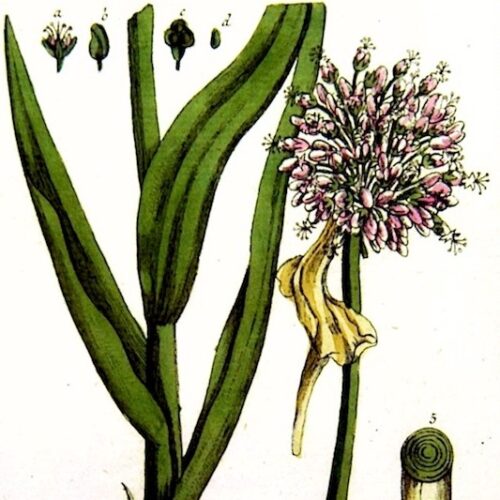
Allium porrum

Read more

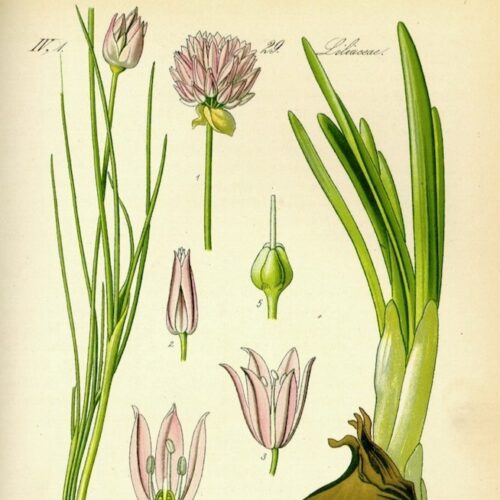
Allium schoenoprasum

Read more

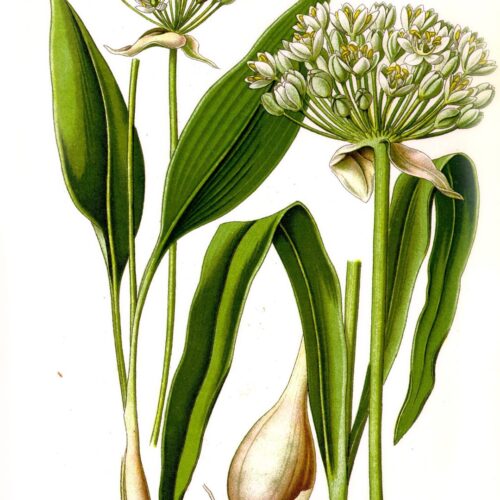
Allium ursinum

Read more

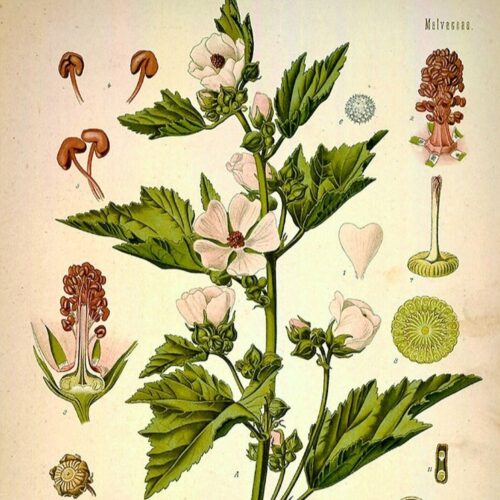
Althaea officinalis

Read more

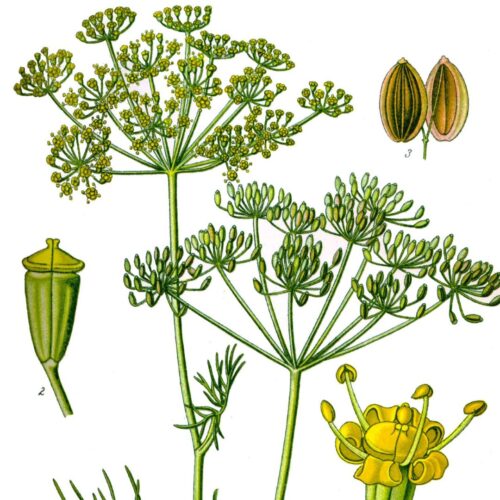
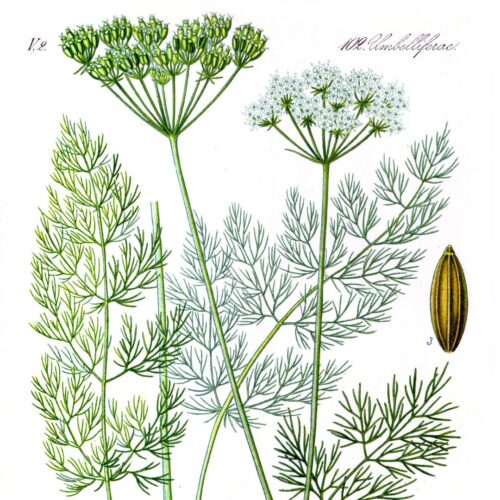
Anethum graveolens

Read more

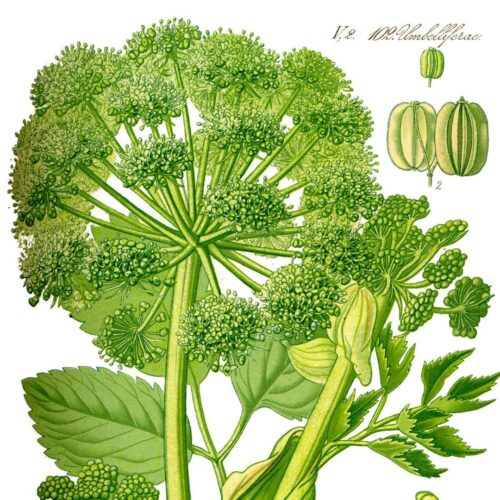
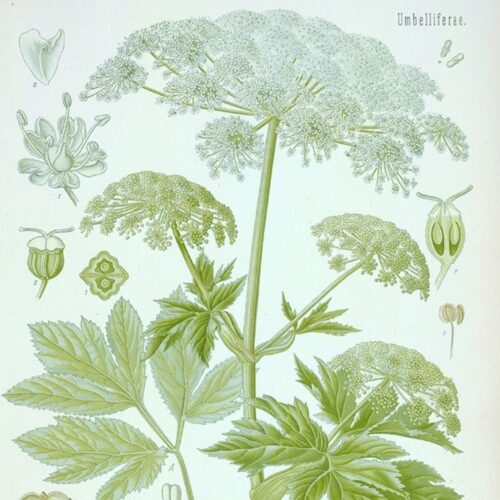
Angelica archangelica

Read more

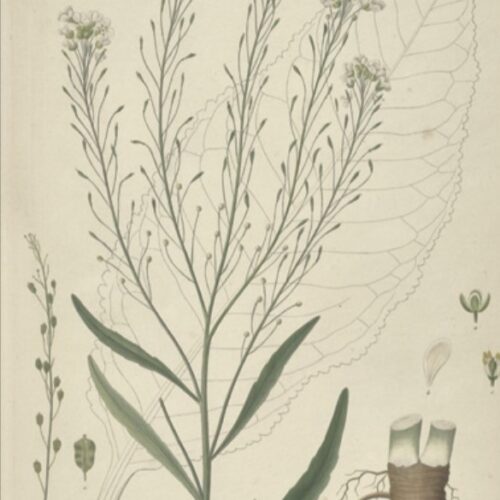
Armoracia rusticana

Read more

Artemisia abrotanum

Read more

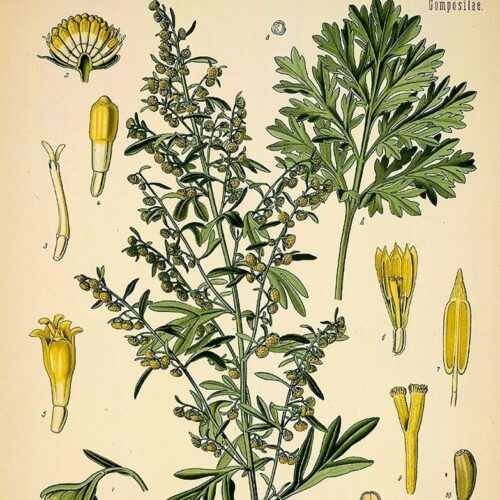
Artemisia absinthium 

Read more

Utsnitt fra Otto Wilhelm Thomé: «Flora von Deutschland, Österreich und der Schweiz, 1885.

Asparagus officinalis 

Read more

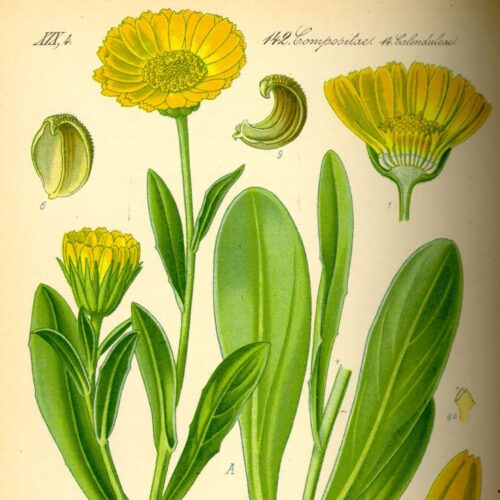
Calendula officinalis

Read more

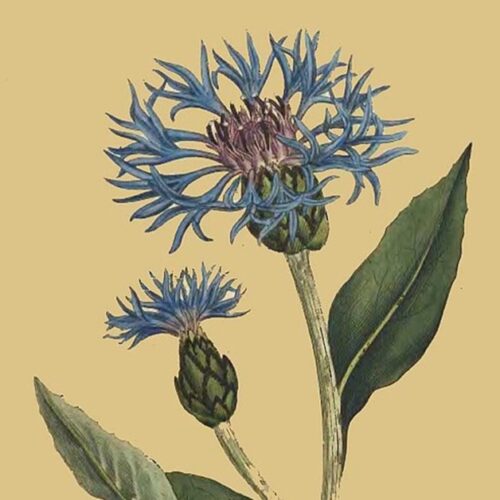
Centaurea montana

Read more

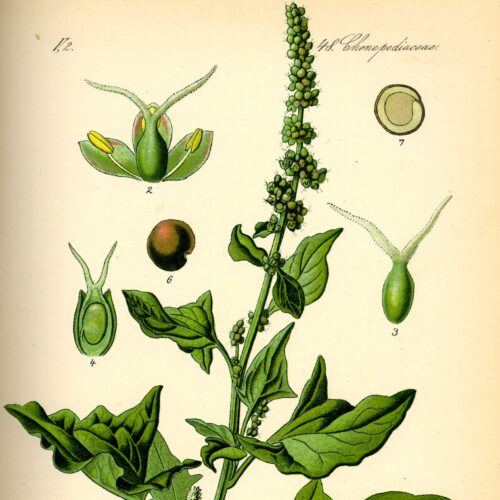
Chenopodium bonus-henricus

Read more

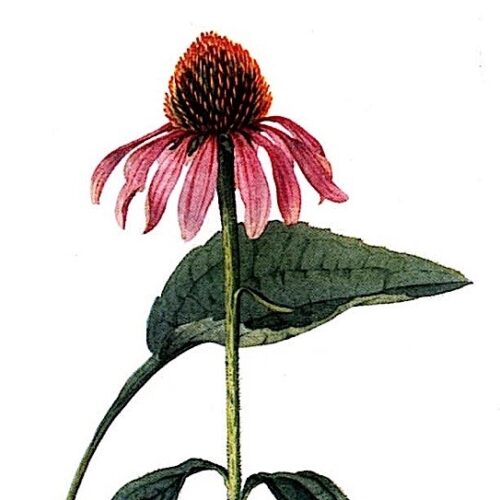
Echinacea purpurea

Read more

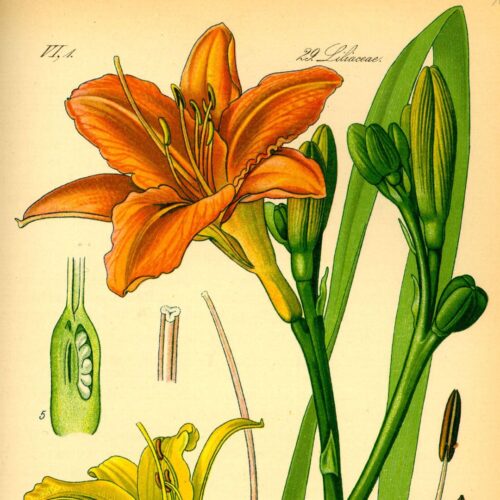
Hemerocallis lilioasphodelus

Read more

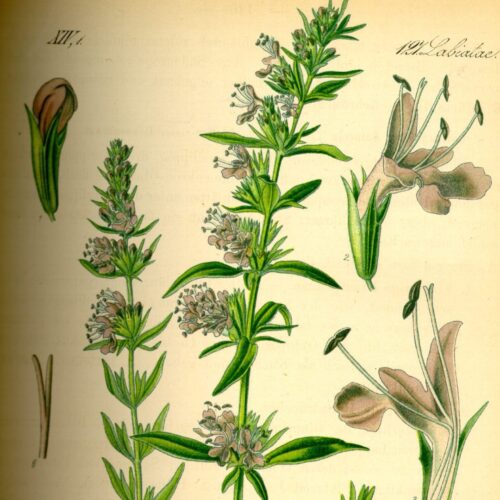
Hyssopus officinalis

Read more

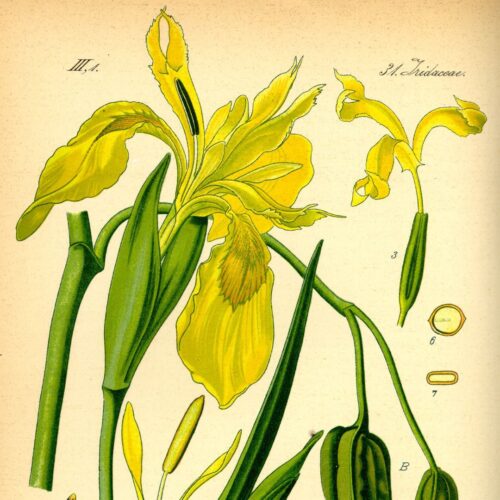
Iris pseudacorus

Read more

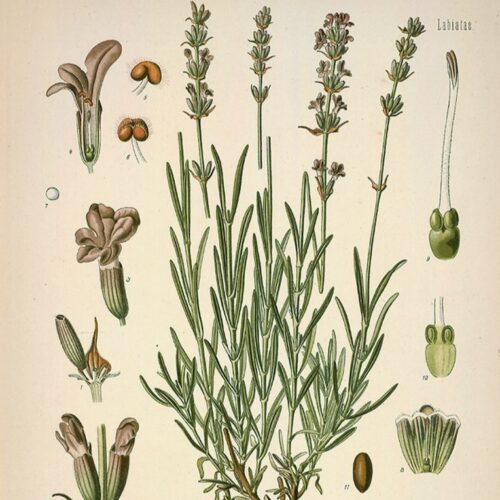
Lavandula officinalis (angustifolia) 

Read more

Franz Eugen Koehler: Koehlers Medizinal-Pflanzen in naturgetreuen Abbildungen und kurz erläuterndem Texte (1883-1914).

Malva sylvestris 

Read more

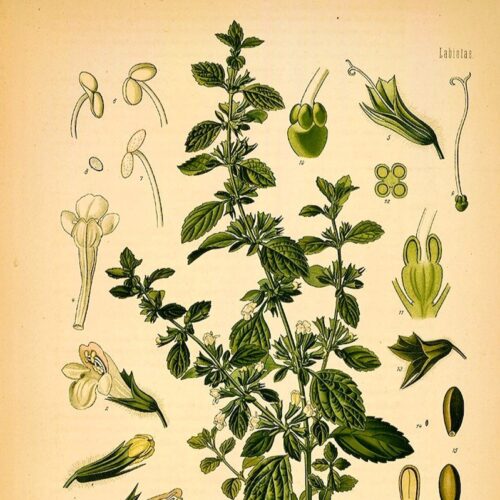
Melissa officinalis

Read more

Otto Wilhelm Thomé: «Flora von Deutschland, Österreich und der Schweiz», 1885.

Meum athamanticum

Read more

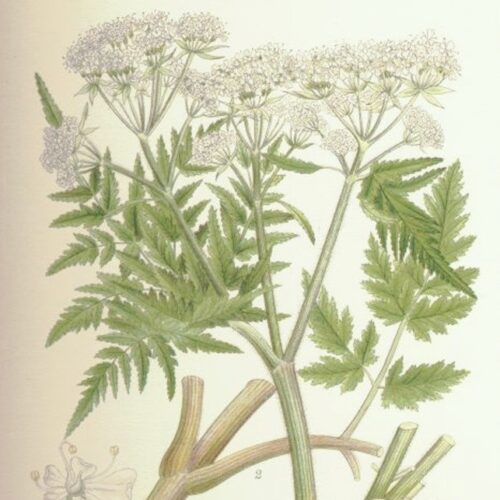
Myrrhis odorata

Read more

Otto Wilhelm Thomé: «Flora von Deutschland, Österreich und der Schweiz», 1885.

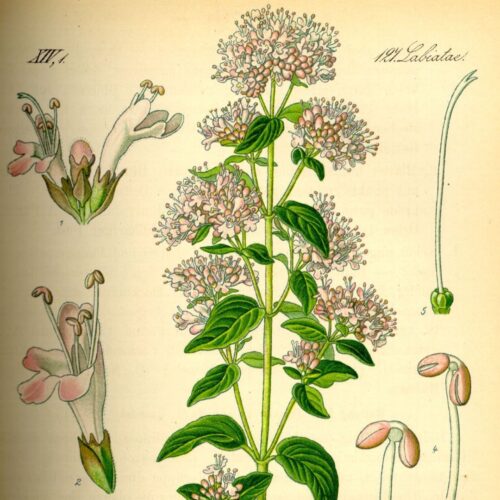
Origanum vulgare 

Read more

Peucedanum ostruthium

Read more

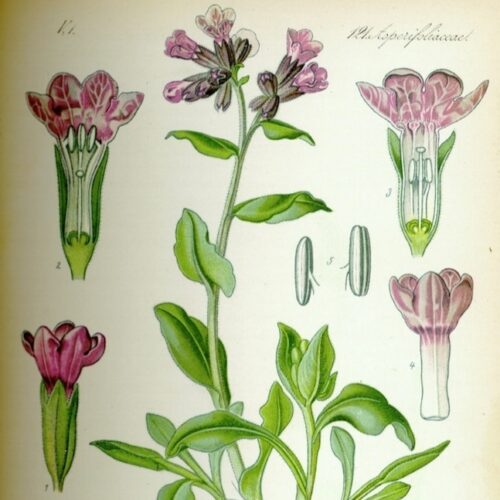
Pulmonaria officinalis

Read more

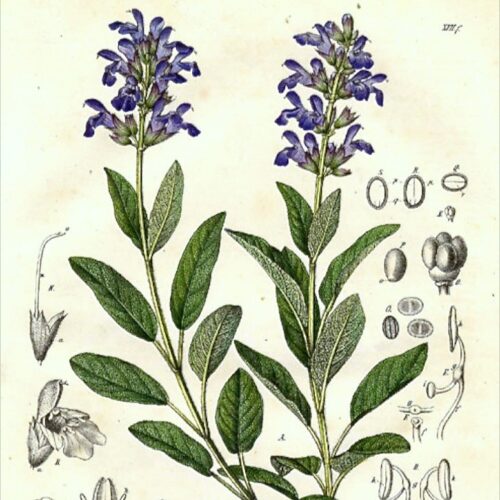
Salvia officinalis

Read more

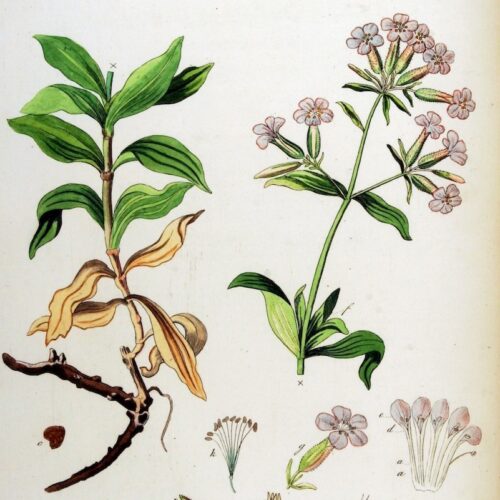
Saponaria officinalis 

Read more

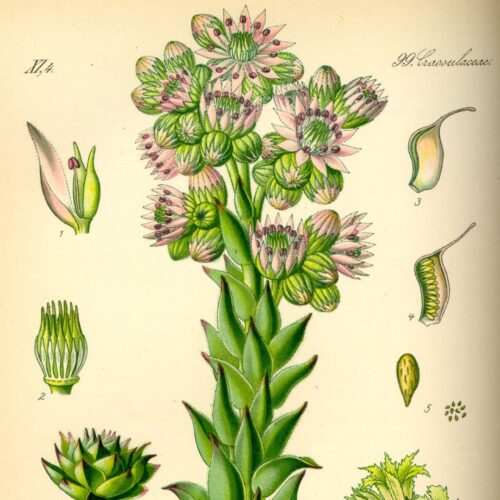
Sempervivum tectorum

Read more

All Rights Reserved